Adrian Mai

Computer vision / Research & engineering

Adrian Mai.

From pixels to places.
From research to the real world.

I lead computer vision engineering at BrightAI. Before industrial AI, I worked on autonomous perception at Leidos and 3D vision at NIWC Pacific. This is a collection of the ideas, papers, and inventions along that path.

A.M. / A DIFFERENT POINT OF VIEW
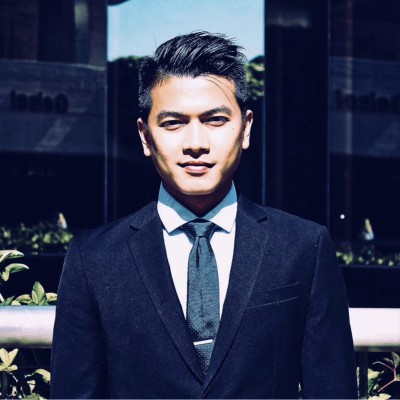
Adrian Mai, wearing a suit and tie outdoors.
Adrian MaiEngineer · Researcher · Inventor
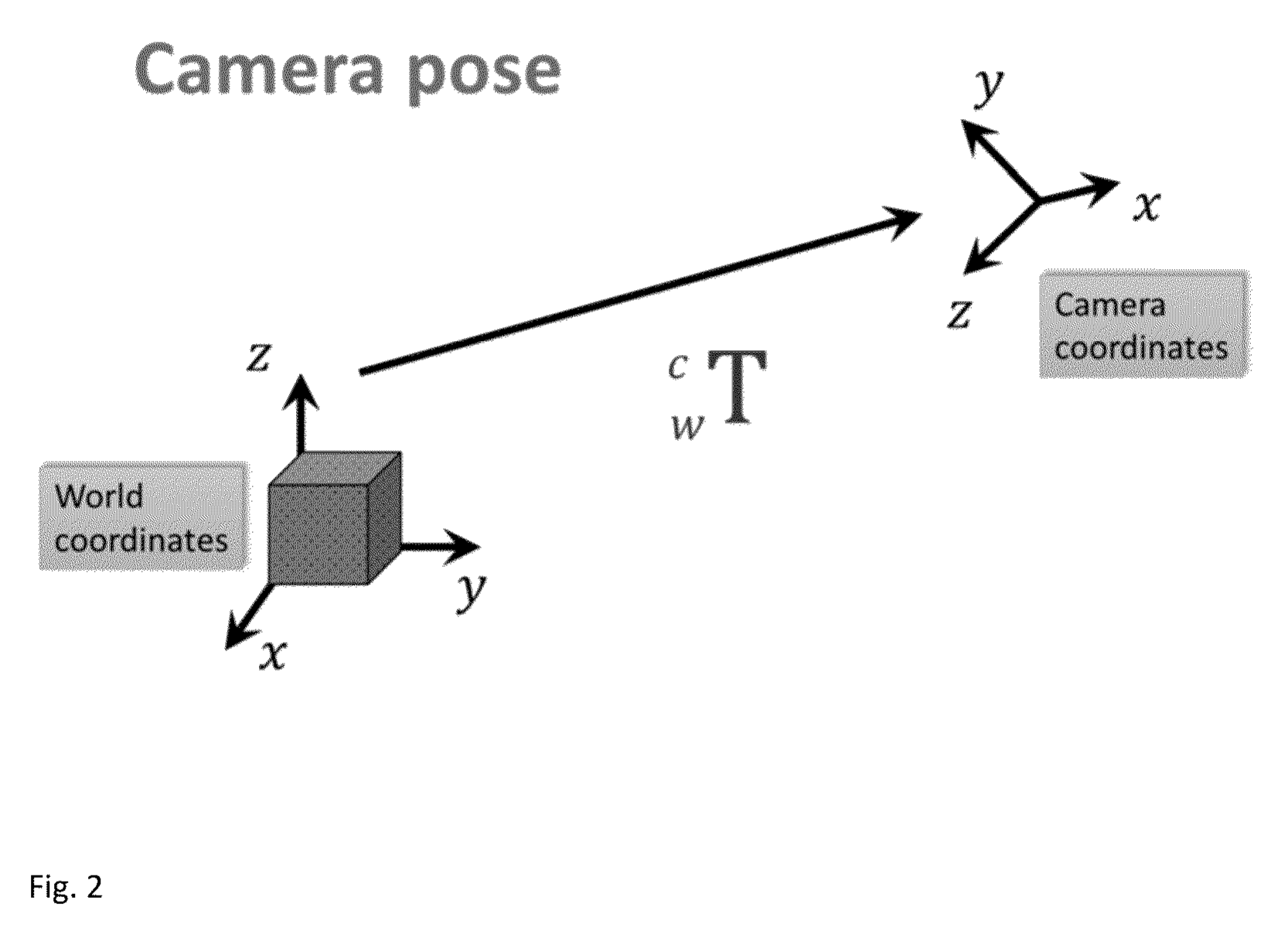
FROM MY RESEARCH / 2D → 3DOriginal camera-to-world coordinate drawing, Figure 2 of our 3D localization patent application.Finding a place for every pixel.
BrightAILeidosNIWC PacificUC San Diego

01 / Research & inventions

Inside the work.
Figures, not just titles.

Reading a chart. Locating text in 3D. Connecting a point cloud to a floorplan. Different problems, connected by visual understanding.

01.1 / Featured research · SPIE 2021

Learning to navigate
changing spaces.

Can a simpler representation make navigation through a complex 3D scene more practical?

  • Multi-agent reinforcement learning
  • 3D point clouds
  • 2D floorplans
01 / THE PROBLEM

Large LiDAR point clouds make direct reinforcement learning computationally demanding.

02 / THE IDEA

Work in a corresponding 2D floorplan, connecting multi-agent learning and obstacle avoidance back to navigation in 3D.

03 / CHANGING CONDITIONS

The study introduces hazards such as fire or leakage and explores finding new paths through the learned environment. Latency and throughput are central to the work.

01.2 / Chart understanding

Making a map
machine-readable.

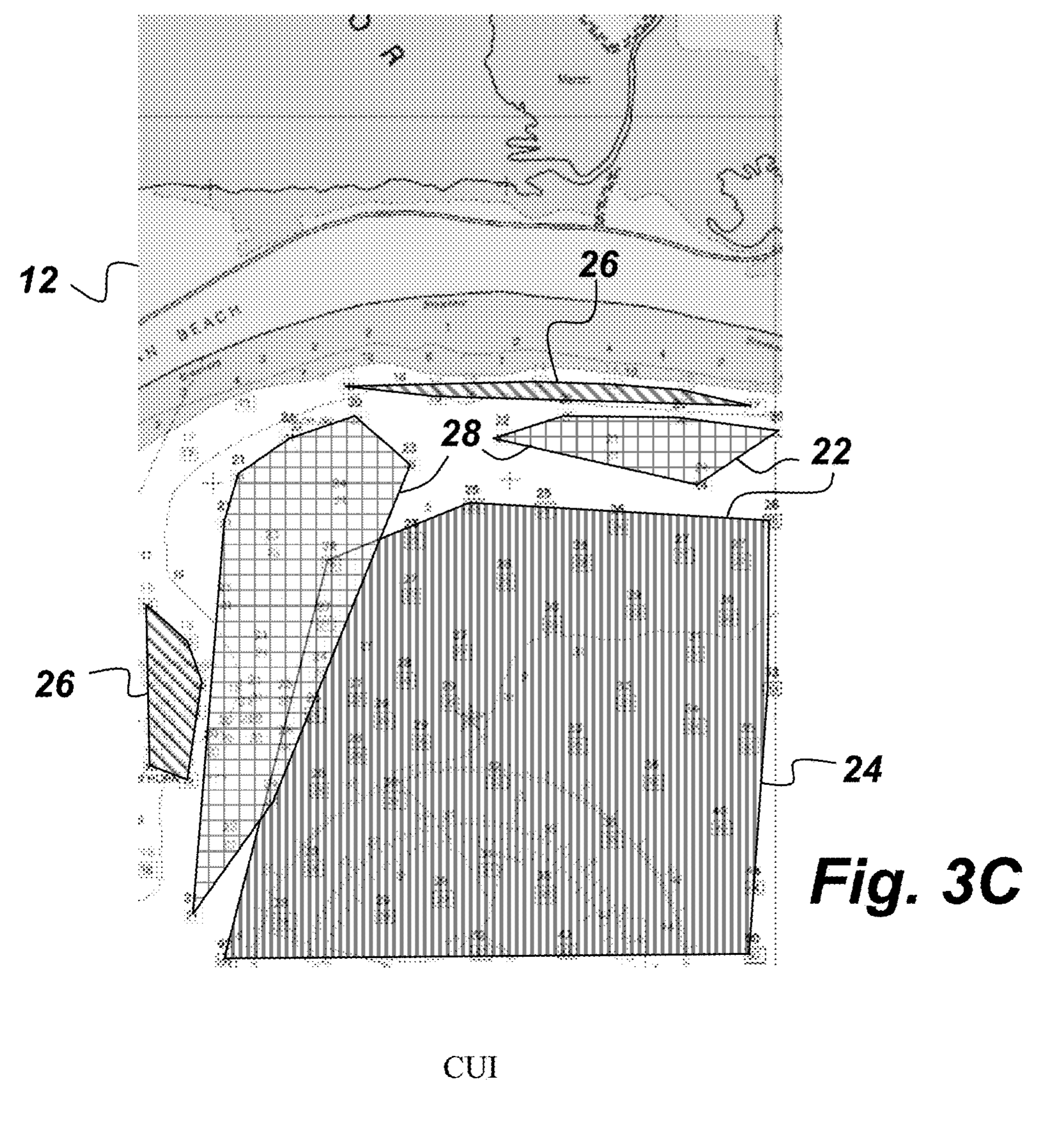
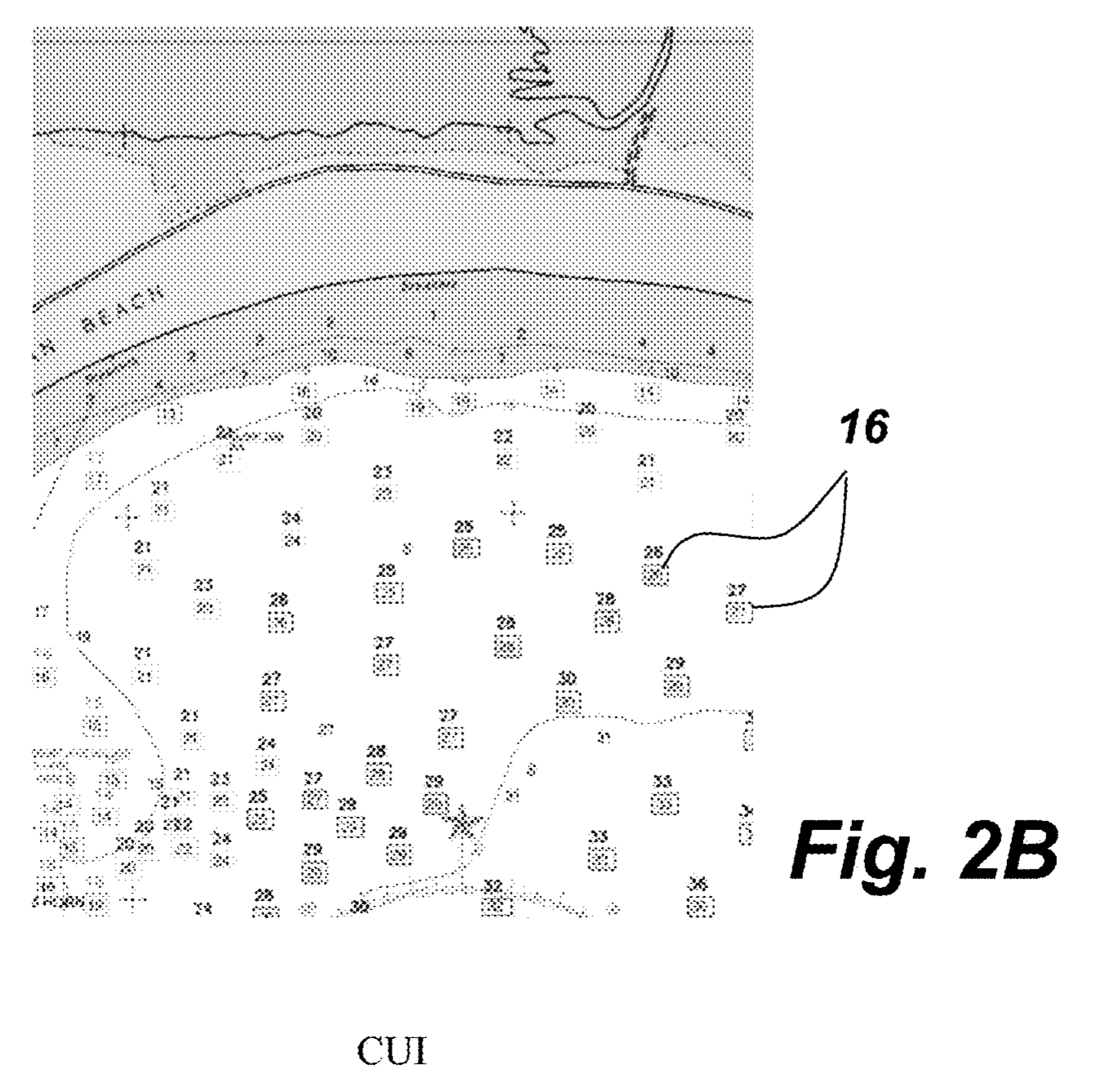
A raster chart holds rich information in a single image. My work explores how computer vision can turn its colors, text, and symbols into structured geographical information.

The associated patented method uses extracted features to draw georeferenced regions of interest. The patent record documents the method and original drawings.

  • Computer vision
  • Text & symbol extraction
  • Geospatial data
INVENTOR / GRANTED MARCH 2025US 12,260,664 B2
Read “Making sense of Raster chart”

Patent inventors: Adrian Mai & Douglas Seth Lange.

Original patent drawings
Original patent Figure 3C: a navigational chart with hatched regions of interest overlaid on geographical features.
03C / From chart features to regionsOriginal patent drawing · US20240112489A1 (2024)
See the text-detection drawing
Original patent Figure 2B: depth numbers detected in a navigational chart, with bounding boxes and original labels.
02B / Detecting the numbers in a chartUS20240112489A1 · Adrian Mai & Douglas Seth Lange
Selected publicationsResearch notes & source papers ↙
More publications
Granted U.S. patent
12,437,357B2
3D LOCALIZATION
OCTOBER 7, 2025

Inventor · 3D perception

Connecting 2D imagery
to a 3D world.

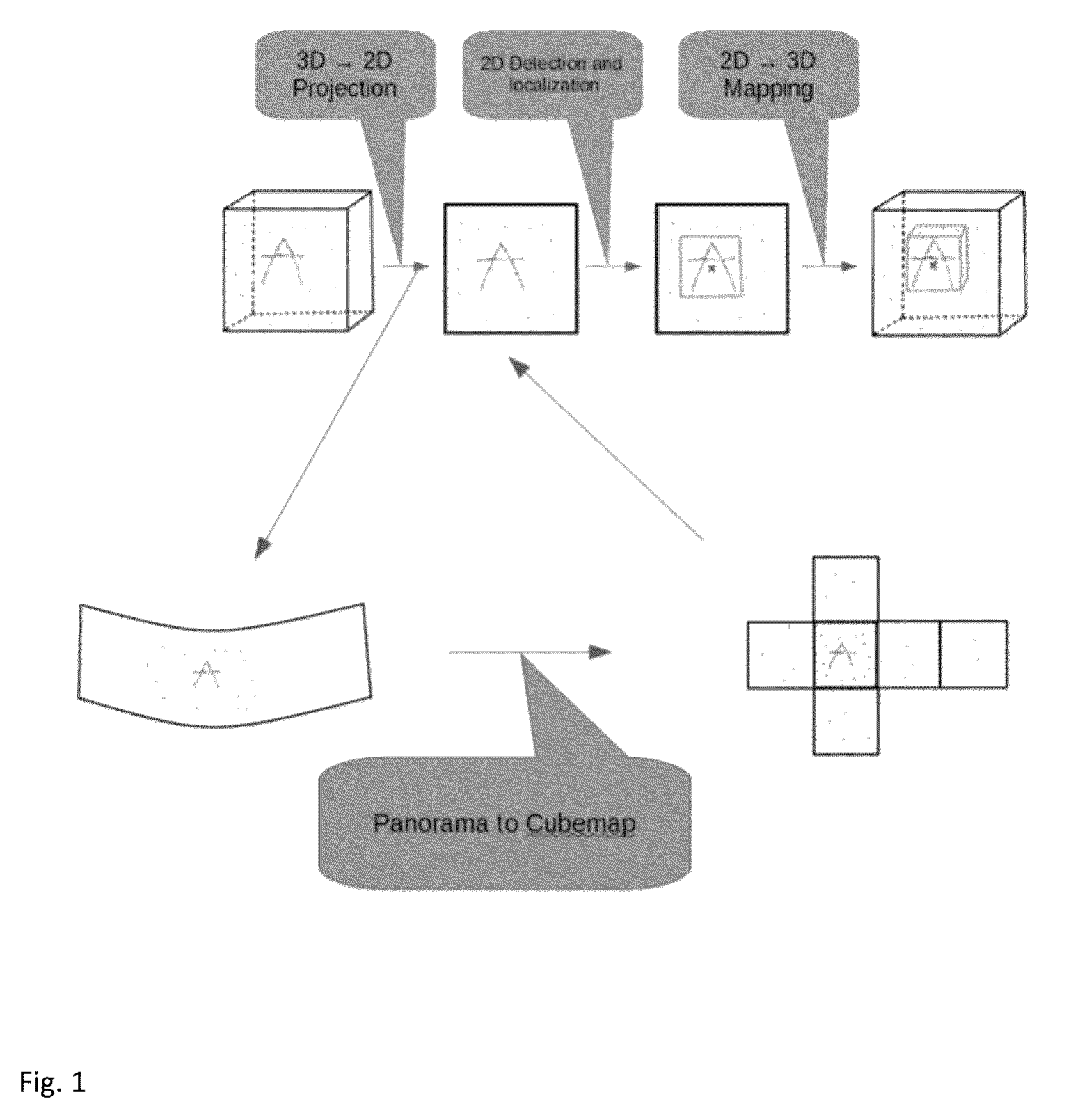
Inventor of a patented method for locating target objects in point-cloud data using a corresponding 2D image.

The work connects object understanding in imagery with spatial localization—a bridge between what a system sees and where it is in the world.

Read the patent

Named inventors: Adrian Mai, Mark Bilinski, and Raymond Chey Provost.

Original patent Figure 1: project a 3D point cloud into 2D, detect and localize an object, and map it back into 3D; a second branch converts a panorama to a cubemap.
Inside the method. The original drawing connects 3D projection, detection in an image, and mapping back to the point cloud.Adrian Mai, Mark Bilinski & Raymond Chey Provost · US20230206387A1, Fig. 1 (2023). Subsequently granted as US12437357B2.

From the archive / UC San Diego · 2019

Learning from raw
3D point clouds.

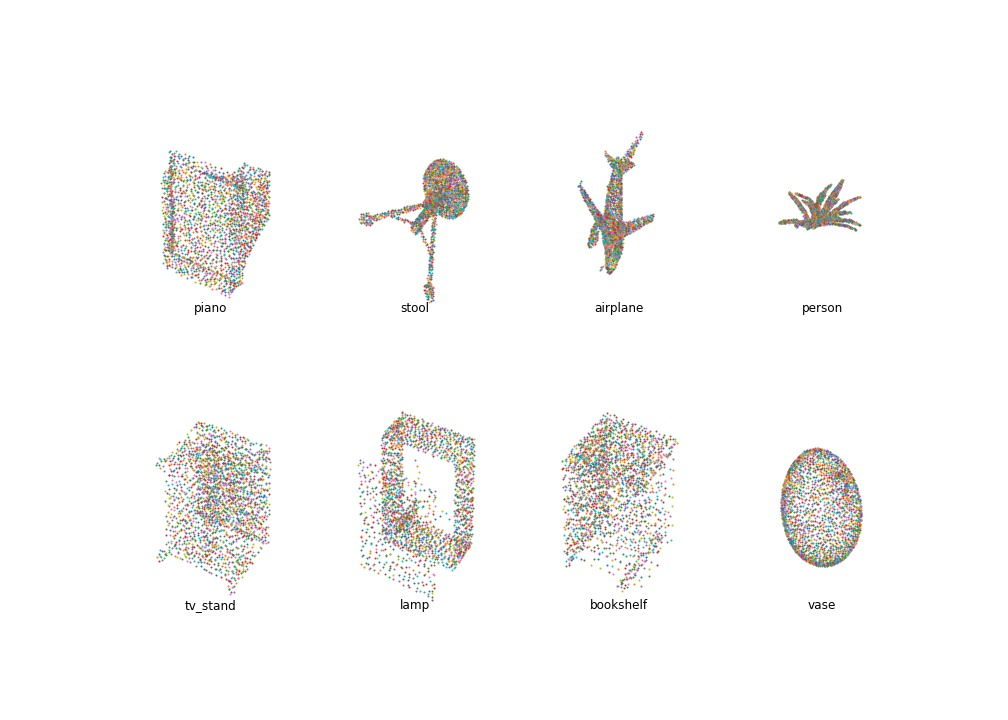
For our ECE228 team project, I worked on network training and classification visualizations. We explored how a neural network could recognize objects represented as sets of 3D points.

These are original test predictions from the report, including errors. This was a student experiment on ModelNet40.

Read the project report
Eight colored point-cloud test samples with the original model-predicted labels, including classification errors.
Figure 9 excerpt · Original predictionsAdrian Mai, Pryor Vo, Fangzhou Ai & Felix Fagan / UC San Diego ECE228, 2019.

02 / What I work on

From 3D research
to industrial perception.

My career has taken me from point-cloud research at NIWC Pacific to UAV perception at Leidos and computer vision leadership at BrightAI.

01

Vision & multimodal AI

Model selection, evaluation, and adaptation for visual understanding. Exploring how foundation models can support better data and compact, task-specific models.

  • VLM evaluation
  • Data workflows
  • Specialized models
02

Perception at the edge

Detection, tracking, and system-level reliability under real compute constraints. Thinking through latency, memory, failure cases, and integration together.

  • Detection & tracking
  • Edge AI
  • Failure analysis
03

3D vision & localization

Connecting imagery with spatial understanding through point clouds, visual localization, and reconstruction. Working at the intersection of learned and geometric methods.

  • Point clouds
  • Visual localization
  • Reconstruction

03 / My path

Researcher.
Engineer.
Team leader.

A background in computer vision and robotics at UC San Diego led me into 3D perception research, autonomy, and industrial AI.

Now / BrightAI

Senior Engineering Manager,
Computer Vision

I lead computer vision engineering across industrial AI applications, connecting technical direction with engineer development and cross-functional execution.

Previously / Leidos

Perception for autonomous systems

My work covered EO/IR perception, visual localization, and GPS-denied navigation for UAV applications, combining learned models with geometric vision and embedded deployment.

Research / NIWC Pacific

Understanding the world in 3D

I worked on 3D point-cloud understanding and applied computer vision research, including the connection between 2D imagery and 3D localization.

My full experience on LinkedIn

04 / Start a conversation

Working on a vision
problem? Let’s talk.

For technical conversations, collaborations, and opportunities in computer vision and perception.

Connect on LinkedIn